

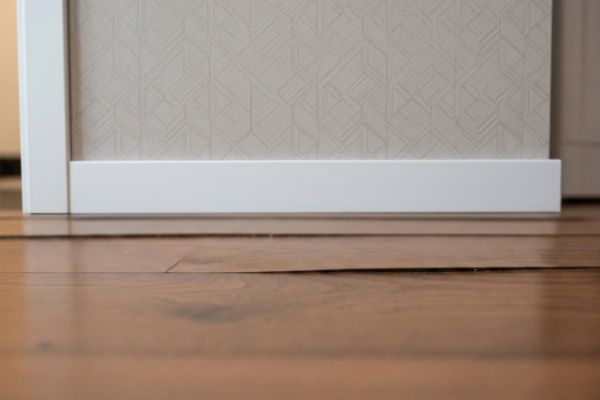
Laminate flooring can provide a durable, attractive surface, but bubbling, lifting, or raised areas are signs that something needs attention. Laminate floor bubbling can result from moisture, installation problems, movement restrictions, or an issue with the subfloor. The first step is figuring out what caused the problem. Covering the affected area or attempting a quick cosmetic repair without addressing the underlying issue can allow the damage to spread.
Moisture Is One of the Most Common Causes
Many laminate products use a wood-fiber-based core that can swell when moisture reaches it. Water may enter through seams, edges, spills, leaks, or excessive moisture beneath the floor. Once the core swells, affected planks may become raised or distorted.
Look for clues around the affected area. Bubbling near a sink, refrigerator, dishwasher, exterior door, or plumbing fixture may warrant an inspection for a leak or recurring moisture source. Excess water during cleaning can also be a problem. Follow the manufacturer's cleaning instructions rather than assuming laminate should be treated like tile.
Installation Problems Can Cause Lifting
Not every raised area is caused by a spill. Laminate flooring typically needs room to expand and contract as environmental conditions change. If planks are installed too tightly against walls or fixed objects, pressure can build and cause sections of the floor to lift or buckle. Subfloor preparation matters as well.
An uneven or damp substrate can create problems after installation. This is why professional laminate installation should include appropriate preparation and attention to the manufacturer's requirements. A beautiful product cannot compensate for an installation that does not account for movement, moisture, or substrate conditions.
Phoenix Conditions Make Prevention Important
Phoenix homes have a different environmental profile from homes in humid regions, but that does not eliminate moisture concerns. Plumbing leaks, appliance leaks, spills, cleaning water, and moisture from a subfloor can still affect flooring. Strong sunlight and temperature changes can also make installation requirements important.
The exact product instructions should determine acclimation, expansion, and installation conditions. Regular maintenance helps, too. Clean spills promptly, use appropriate cleaning methods, and pay attention to changes in the floor instead of waiting for a small raised area to become a larger problem.
Know When a Repair May Not Be Enough
If bubbling is caused by moisture that has swollen the laminate core, the affected plank may need replacement rather than simply being pressed flat. Swollen fiber-based cores may not return to their original dimensions after significant water exposure. If the issue is caused by insufficient expansion space, the installation problem needs to be corrected.
Replacing one visible section without addressing the pressure elsewhere may not solve the underlying problem. For that reason, document when you first noticed the bubbling and whether it changes with weather, cleaning, or moisture events. That information can help a flooring professional diagnose the issue.
Consider the Floor's Long-Term Performance
Laminate flooring trends 2027 may continue emphasizing realistic wood visuals, warmer colors, textured surfaces, and designs that combine practical performance with a more natural appearance. But style should come after the technical requirements of the room. If you are replacing damaged flooring, Flooring Team LLC can help you evaluate laminate options and installation considerations for your space.
Contact us today and visit our showroom to compare flooring styles and discuss your project. You can explore options through Phoenix, AZ while finding a suitable solution for your home in Phoenix, AZ and throughout Tempe, AZ, Phoenix, AZ, Scottsdale, AZ, Gilbert, AZ, Prescott, AZ, and Mesa, AZ.


